
Ganesh Chaturthi in Mumbai: A Festival Like No Other
Introduction: The Spirit of Mumbai During Ganesh Chaturthi
Mumbai, the city of dreams, wears a completely different look during Ganesh Chaturthi. The 10-day festival dedicated to Lord Ganesha transforms every street, home, and heart into a celebration of faith and festivity. What began as a modest household ritual centuries ago is now one of the grandest public festivals in India. While Ganesh Chaturthi is celebrated across the country, Mumbai is where it comes alive like nowhere else. The combination of devotion, creativity, music, dance, and community spirit makes the city’s celebrations truly unique.
The History and Significance of Ganesh Chaturthi in Mumbai
Ganesh Chaturthi traces its roots to the Maratha empire, but it was freedom fighter Lokmanya Tilak who popularized the public celebration in Mumbai in the late 19th century. Tilak used the festival to unite people during British colonial rule, making it a platform for cultural exchange and nationalist sentiment. Since then, the festival has grown into a citywide celebration attracting millions.
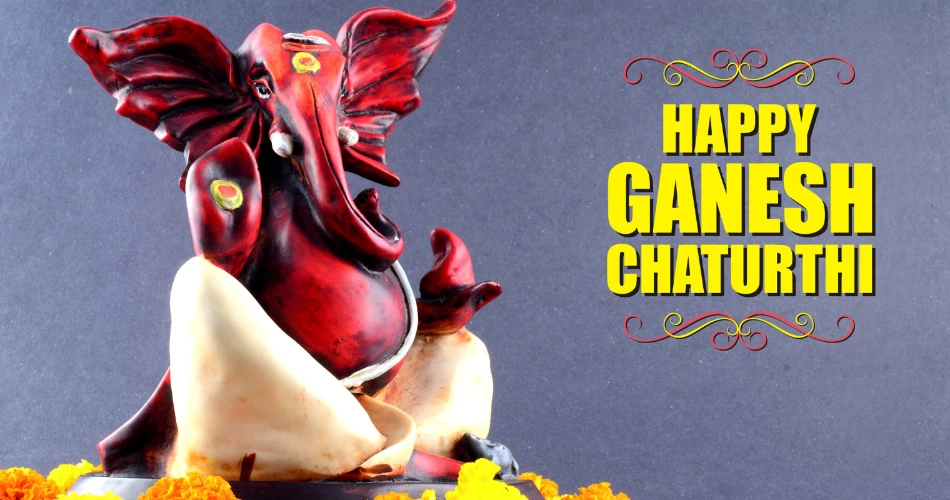
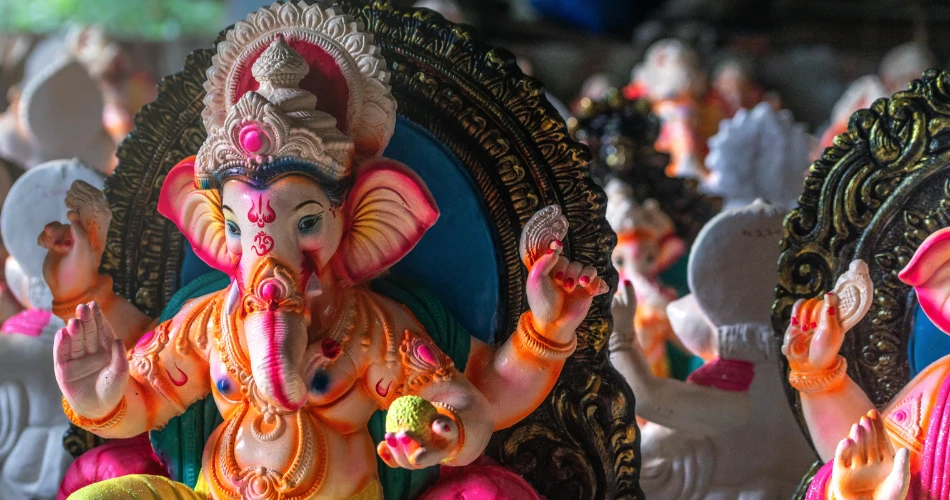
Lord Ganesha, known as the remover of obstacles, is welcomed with chants of “Ganpati Bappa Morya”. Families bring idols home, while neighborhoods set up massive pandals that showcase art, culture, and devotion. This historical significance continues to echo in Mumbai, making Ganesh Chaturthi more than a religious occasion—it’s a social and cultural movement.
Famous Ganesh Pandals: Where Art Meets Devotion
Every year, Mumbai’s most awaited attraction is its Ganesh pandals. These temporary but grand structures are set up by local communities and cultural groups. The most famous of all is Lalbaugcha Raja, drawing millions of devotees who queue for hours just to catch a glimpse of the idol. Other notable pandals include Siddhivinayak Ganpati, Ganesh Galli Mandal, and Andhericha Raja, each known for unique themes and breathtaking decorations.
These pandals are not just places of worship; they’re art exhibitions. From recreating mythological scenes to highlighting social issues like environmental awareness, they serve as both spiritual and cultural hubs. The creativity is awe-inspiring, and no two pandals are ever the same.
Rituals and Traditions: From Sthapana to Visarjan
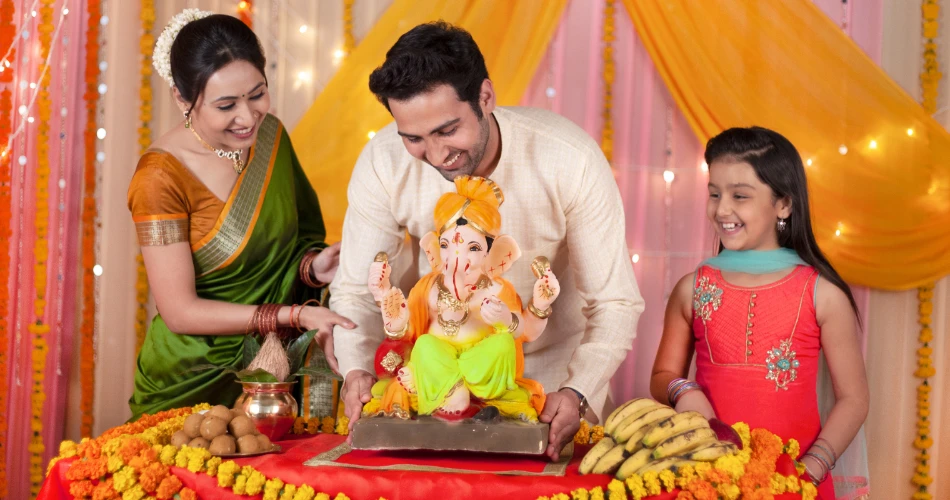
The rituals of Ganesh Chaturthi follow a sacred journey. It begins with the Sthapana (installation) of Lord Ganesha idols, often accompanied by traditional prayers and offerings. Throughout the 10 days, devotees perform aartis, sing devotional songs, and distribute modaks, a sweet believed to be Ganesha’s favorite.
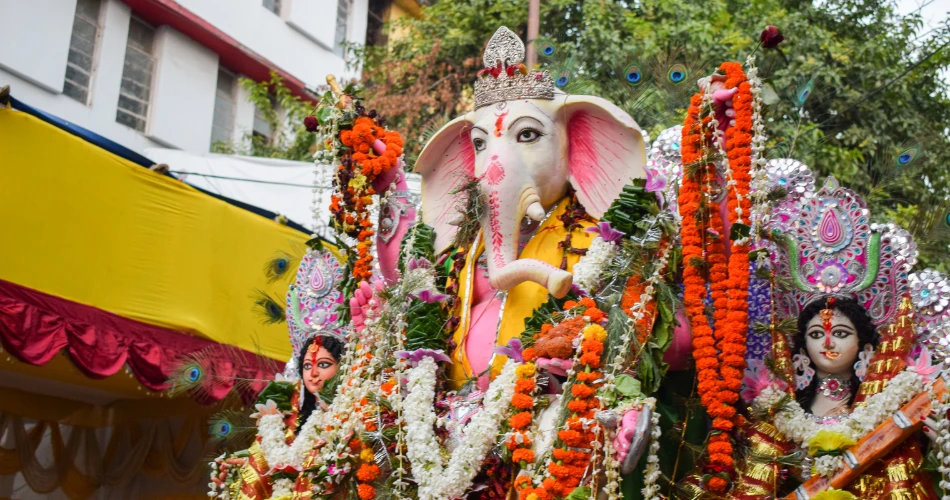
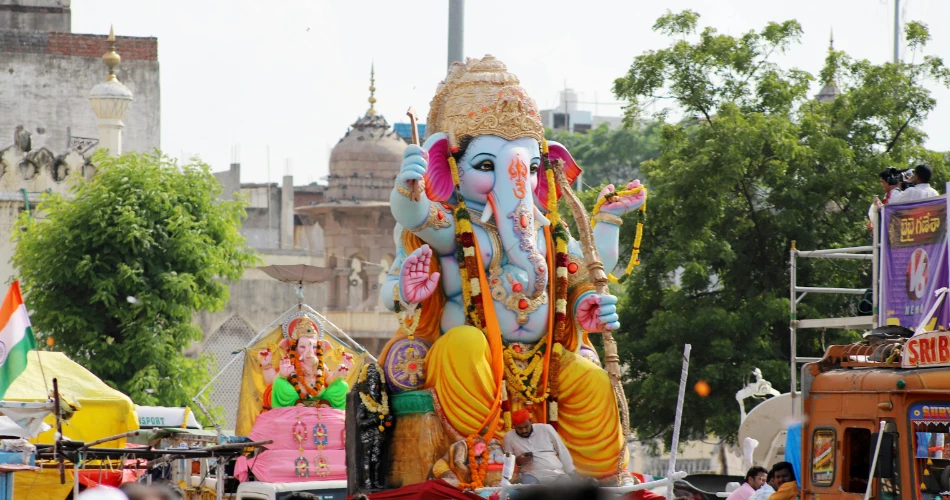
The climax comes with the Ganesh Visarjan, when idols are immersed in water bodies like the Arabian Sea or local lakes. The sight of thousands of idols being carried in processions, with dhols, chants, and dance, is both emotional and exhilarating. The immersion symbolizes Ganesha’s return to Mount Kailash while teaching devotees about detachment and renewal.
Ganesh Chaturthi and Mumbai’s Sense of Unity
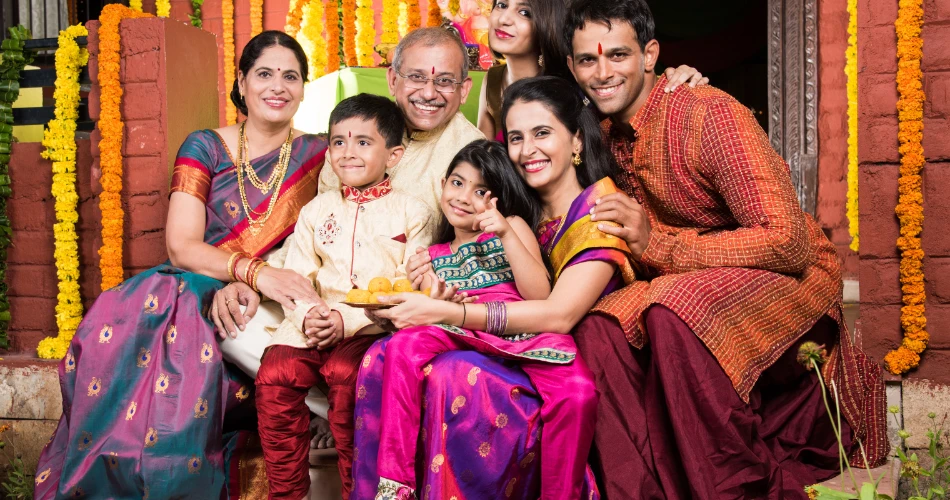
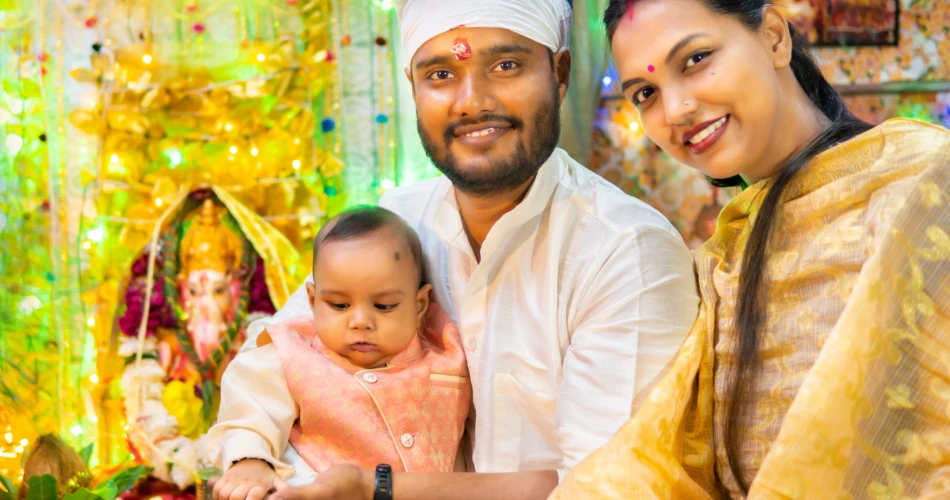
One of the most beautiful aspects of Ganesh Chaturthi in Mumbai is the way it unites people from all walks of life. Rich or poor, Hindu or non-Hindu, everyone participates in the festivities. Neighbors come together to organize pandals, volunteers manage massive crowds, and strangers bond over modaks and aartis.
The festival blurs social divides and showcases Mumbai’s spirit of inclusivity. It’s common to see Muslim, Christian, and people of other faiths contributing to the celebrations, making Ganesh Chaturthi a festival of humanity as much as devotion.
Eco-Friendly Ganesh Chaturthi: A Growing Movement
In recent years, Mumbai has faced challenges with environmental pollution caused by plaster-of-Paris idols and non-biodegradable decorations. However, the city has adapted. Many communities and families now opt for eco-friendly Ganesh idols made of clay, paper-mâché, or even plantable materials.
Awareness campaigns encourage greener practices like artificial tanks for visarjan, natural dyes for coloring idols, and reusable decoration materials. This eco-conscious celebration reflects the city’s ability to evolve traditions while protecting the environment.
The Economic and Cultural Impact on Mumbai
Ganesh Chaturthi is not just a religious celebration—it’s an economic and cultural powerhouse for Mumbai. Thousands of artisans, craftsmen, decorators, and performers earn their livelihood during this season. Street vendors, sweet shops, and local businesses thrive as the city sees a surge in activity.
Culturally, the festival promotes local music, dance, and theater. Traditional drumming groups and folk dancers add rhythm and color to the processions, while artists express creativity through pandal designs. The festival contributes significantly to Mumbai’s identity, shaping its cultural landscape.
Conclusion: Why Ganesh Chaturthi in Mumbai is Truly Unique
Ganesh Chaturthi in Mumbai is more than a festival—it’s an experience. It’s the sound of dhols echoing through streets, the sight of massive idols under dazzling lights, the taste of sweet modaks, and the feeling of unity among millions.
What makes it special is not just its grandeur but the emotion behind it. Mumbai’s Ganesh Chaturthi is about faith, creativity, community, and culture coming together to create memories that last a lifetime. For those who experience it, it’s easy to see why Ganesh Chaturthi in Mumbai truly is a festival like no other.


About Author
Amelia has a great eye for photography. She has traveled to over 30 countries and has produced great videography and photos, along with penning them down with her writing skills. She has also worked with many top travel photographers.