

Introducción
Cada febrero, el histórico distrito de Kala Ghoda en Mumbai cobra vida con una de las celebraciones más icónicas de la creatividad en India: el Festival de Artes de Kala Ghoda (KGAF). Esta extravagancia cultural de una semana es un crisol de artes visuales, literatura, música, danza, cine, teatro y cocina. Conocido por su mezcla ecléctica de actuaciones, talleres, instalaciones y exposiciones, el festival atrae a miles de visitantes de toda India y del mundo.
Lo que hace único al Festival de Artes de Kala Ghoda es su accesibilidad gratuita y su naturaleza inclusiva. Ya seas un entusiasta del arte, un amante de la literatura, un amante de la comida o simplemente un viajero curioso, el KGAF ofrece algo extraordinario para todos.
Los Orígenes y la Evolución del Festival de Artes de Kala Ghoda
El Festival de Artes de Kala Ghoda fue organizado por primera vez en 1999 por la Asociación de Kala Ghoda con la visión de preservar el patrimonio del sur de Mumbai y promover el arte y la cultura. A lo largo de los años, ha crecido de un pequeño evento vecinal a ser el festival multicultural más grande de India, atrayendo a más de medio millón de visitantes anualmente.
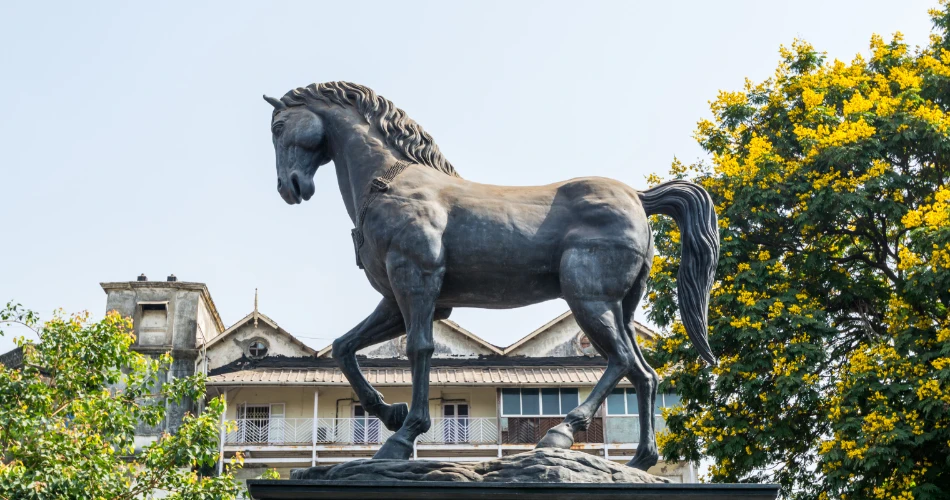
El término Kala Ghoda se traduce como “Caballo Negro”, nombrado así por una histórica estatua de un caballo negro que una vez estuvo en la zona. El festival no solo rejuvenece el histórico recinto, sino que también apoya a artistas emergentes y establecidos al proporcionar una plataforma para mostrar su talento.
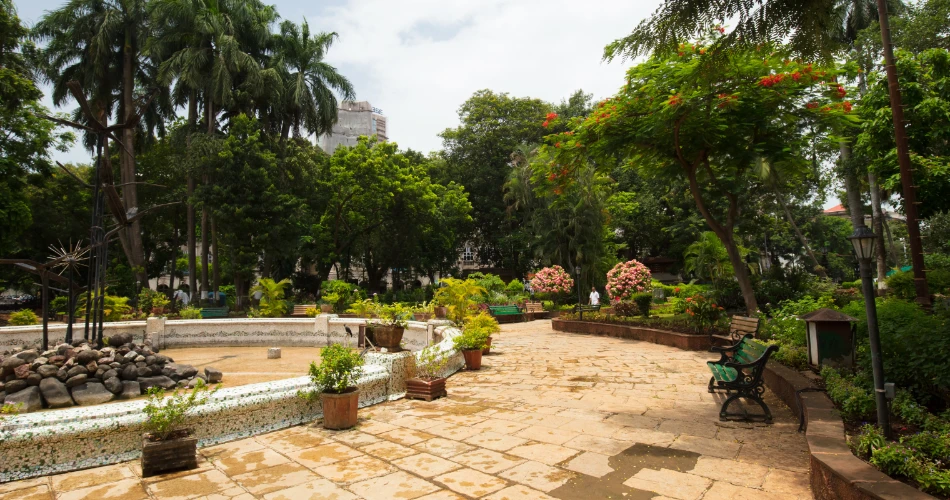
Hoy en día, el festival abarca múltiples lugares en el distrito de Kala Ghoda — incluyendo Rampart Row, Horniman Circle Gardens, David Sassoon Library y Jehangir Art Gallery. Cada año trae nuevos temas y programación innovadora, asegurando que ninguna edición sea igual a otra.
Artes Visuales e Instalaciones: Un Festín para los Ojos
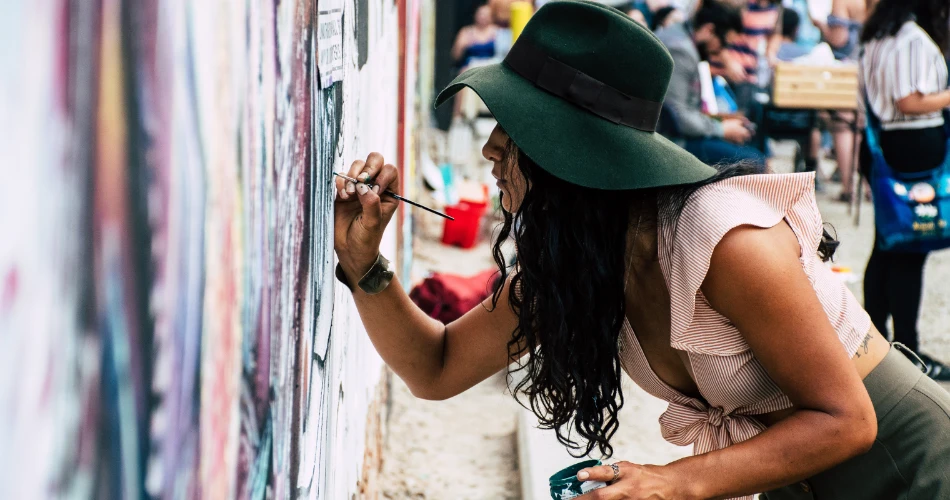
Uno de los aspectos más destacados del Festival de Artes Kala Ghoda son sus impresionantes instalaciones de arte público. Las calles se transforman en galerías al aire libre con esculturas vibrantes, murales y exhibiciones interactivas. Desde instalaciones ecológicas hechas de materiales reciclados hasta obras contemporáneas que provocan conversaciones sociales, el arte en KGAF refleja tanto creatividad como conciencia.
Las exposiciones de fotografía, las muestras de pintura y las exhibiciones de artesanías realzan aún más la atmósfera artística. Los artesanos y diseñadores locales también tienen la oportunidad de mostrar y vender sus artesanías, dando a los visitantes la posibilidad de llevarse a casa recuerdos únicos.
Sesiones de Literatura y Narración de Cuentos
Para los amantes de los libros y narradores de cuentos, la sección de literatura del KGAF es un verdadero deleite. El festival invita a autores, poetas y periodistas consagrados para paneles de discusión, lecturas de libros, sesiones de narración de cuentos y slams de poesía. La literatura infantil también recibe una atención especial con sesiones interactivas diseñadas para despertar la creatividad en los jóvenes lectores.
Desde la ficción contemporánea hasta las narrativas históricas, estas sesiones abordan temas diversos y reúnen voces de todo el mundo literario. No se trata solo de escuchar, sino también de participar: el público a menudo participa en sesiones de preguntas y respuestas con escritores y panelistas, lo que lo convierte en una experiencia dinámica.

Actuaciones de Música y Danza
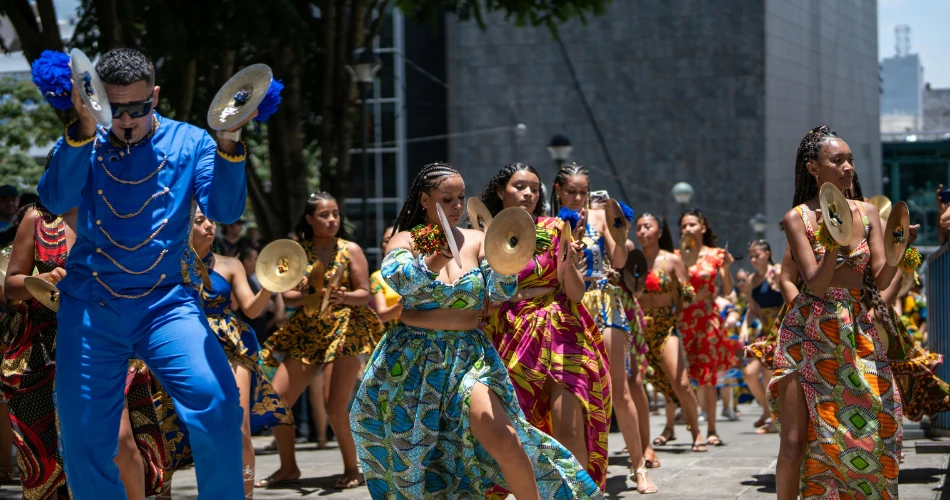
Las noches en Kala Ghoda están llenas de ritmo, melodía y energía. Las actuaciones de música y danza reúnen tradiciones clásicas y ritmos modernos. Desde Bharatnatyam y Kathak hasta jazz, bandas de rock y música fusión, la variedad es incomparable.
Artistas internacionales también ocasionalmente adornan el escenario, convirtiéndolo en una celebración global de las artes escénicas. Los conciertos al aire libre en lugares como Cross Maidan atraen multitudes masivas, creando una atmósfera electrizante bajo el cielo nocturno de Mumbai.
Los entusiastas de la danza disfrutan de actuaciones contemporáneas, folclóricas y de fusión, a menudo acompañadas por instrumentos en vivo. La mezcla perfecta de lo antiguo y lo nuevo es lo que mantiene a las audiencias hipnotizadas.
Teatro, Cine y Talleres
Los segmentos de teatro y cine del festival celebran tanto la narrativa convencional como la experimental. Se presentan obras de grupos de teatro renombrados, cortometrajes y documentales, ofreciendo al público nuevas perspectivas sobre el arte y la sociedad.
Los talleres son otro punto destacado clave. Desde cerámica, pintura, fotografía y escritura creativa hasta clases de baile y artes culinarias — estas sesiones prácticas permiten a los visitantes aprender nuevas habilidades directamente de profesionales. Muchos talleres se centran en la sostenibilidad, el bienestar y la creatividad digital, lo que los hace relevantes y atractivos.
Experiencias Gastronómicas y Culinarias
Ningún festival de Mumbai está completo sin comida, y Kala Ghoda no es una excepción. El festival cuenta con una calle de comida llena de puestos que sirven desde bocadillos indios tradicionales hasta delicias internacionales. Pop-ups gourmet, chefs caseros y restaurantes locales se unen para crear un diverso viaje culinario.
Talleres sobre estilismo de alimentos, alimentación saludable y narración culinaria también son parte de la experiencia. Ya sea que estés saboreando pav bhaji, postres artesanales o bocados de fusión, la sección de comida añade un delicioso sabor al festival.
Por qué deberías visitar el Festival de Artes de Kala Ghoda
El Festival de Artes de Kala Ghoda es más que un evento; es una celebración del alma cultural de Mumbai. Rompe barreras al hacer que el arte sea accesible para todos, independientemente de la edad, el origen o el interés. La diversidad de la programación asegura que haya algo para todos, lo que lo convierte en una salida perfecta para familias, estudiantes, turistas y profesionales por igual.
Más allá del entretenimiento, el festival desempeña un papel vital en la preservación del patrimonio de Mumbai y en el apoyo al crecimiento sostenible e inclusivo en las artes. Visitar KGAF no se trata solo de ser testigo de la creatividad; se trata de convertirse en parte de un vibrante movimiento cultural.
Conclusión
El Kala Ghoda Arts Festival es un verdadero reflejo de la identidad de Mumbai: diversa, creativa y en constante evolución. Desde instalaciones de arte hasta literatura, desde música hasta comida, celebra el espíritu dinámico de la ciudad y conecta a las personas a través de la creatividad.
Si estás planeando un viaje a Mumbai, asegúrate de que tu visita coincida con el KGAF. Ya seas un amante del arte o simplemente quieras empaparte de la vibrante energía de Mumbai, este festival promete una experiencia inolvidable.